

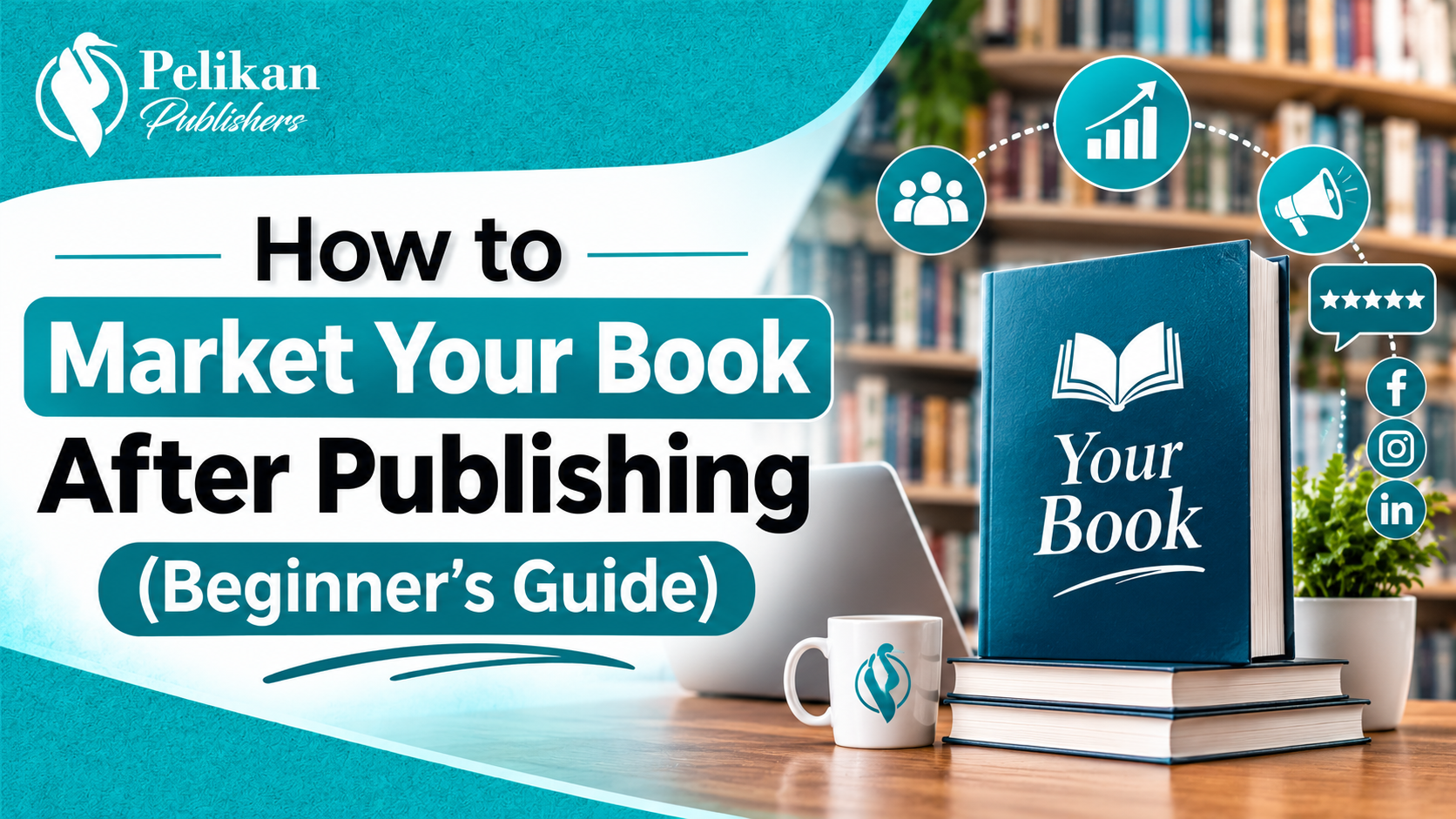
Publishing a book is a big achievement, but the work does not stop once your book goes live. Many new authors expect readers to find their books on their own. Sadly, that rarely happens. A great book still needs attention, visibility, and a clear way to reach the right audience. This is where book marketing after publishing becomes important. You do not need a huge budget or a large following to start. You just need a simple plan and the patience to stay consistent. Whether you published a novel, memoir, business book, or nonfiction title, the right marketing steps can help more people discover your work.
Start With a Strong Author Presence
Before promoting your book, make sure readers can learn more about you. Create a simple author website with your bio, book details, contact information, and links to purchase your book. Your social media profiles should also look professional and connect clearly with your author brand.
You do not have to be active on every platform. Choose one or two where your target readers spend time. Share useful posts, writing updates, behind-the-scenes moments, and information about your book. Keep your posts natural. Readers are more likely to connect with a real person than a constant sales pitch.
Use Social Media to Build Interest
Social media can become one of your most useful marketing tools. Start by sharing short quotes, interesting ideas from your book, character introductions, or personal stories about why you wrote it.
Try different types of content and see what gets a response. A short video may work better than a long post. A book quote may get more shares than a sales message. The goal is not to sell your book every day. The goal is to build a connection that makes people curious about your work.
Make Digital Book Marketing Part of Your Plan
Today, readers discover books through search engines, social platforms, newsletters, podcasts, blogs, and online communities. This makes Digital book marketing an important part of your overall strategy.
Start by improving your book's online presence. Use a clear description, relevant keywords, attractive graphics, and strong author information. You can also write guest posts, appear on podcasts, join online discussions, or collaborate with book bloggers.
Email marketing can help as well. Create a simple mailing list and send readers updates about new books, events, special offers, or writing projects. A small group of engaged readers can become a strong long-term audience.
Ask Readers for Honest Reviews
Reviews can make a major difference when new readers are deciding whether to buy your book. Ask people who have genuinely read your book to leave an honest review on the platform where they purchased it.
Do not pressure readers to give you a positive rating. A sincere review carries more value than a forced one. You can also thank readers for sharing their thoughts and encourage them to recommend the book to others if they enjoyed it.
Look for Promotional Opportunities
Do not rely on one marketing channel. Look for opportunities that can put your book in front of new audiences. You could contact local bookstores, libraries, book clubs, bloggers, podcasts, and relevant online communities.
Consider taking part in author events, virtual readings, interviews, or book discussions. These activities can help you meet readers and build relationships. Even a small event can introduce your book to people who may not have discovered it otherwise.
Keep Your Marketing Consistent
One of the biggest mistakes new authors make is stopping too soon. You may not see major results in the first few weeks. That does not mean your marketing is failing.
A good Book marketing guide should focus on long-term effort. Set aside time each week to promote your book, create content, connect with readers, and review your results. Track which activities bring website visits, social engagement, reviews, or sales. Then spend more time on the strategies that work best for you.
Build Momentum Beyond Your First Book
Your first book can become the starting point for a larger author career. Keep building your audience even after the initial launch period ends. Continue sharing useful content and stay connected with your readers.
If you are working on another book, give your existing audience small updates about it. Readers who enjoyed your first book may become your earliest supporters for the next one. Over time, consistent marketing can turn one book into a growing author platform.
Conclusion
Marketing your book after publishing does not have to feel overwhelming. Start with a strong online presence, connect with readers, encourage genuine reviews, explore promotional opportunities, and stay consistent. The most effective book marketing after publishing is not always about spending more money. It is about reaching the right readers and giving them a reason to care about your work. With the right direction and support from Pelikan Publishers, authors can take practical steps to build visibility, connect with their audience, and keep their books in front of readers long after publication.